
The UPSC CSE 2025 final results, declared on March 6, 2026, recommended 958 candidates from a pool of 9,37,876 registered aspirants — making it one of the most competitive selection cycles in recent memory. Anuj Agnihotri topped the list with AIR 1, followed by Rajeshwari Suve M at AIR 2 and Akansh Dhull at AIR 3.
But within hours of the announcement, something unexpected unfolded alongside the genuine celebrations: multiple individuals from different states falsely claimed to have secured top ranks. What followed was a whirlwind of premature festivities, viral videos, and public embarrassment — forcing UPSC itself to issue official clarifications.
Inside the Ranjeet Yadav Case — Bihar’s Short-Lived UPSC Hero
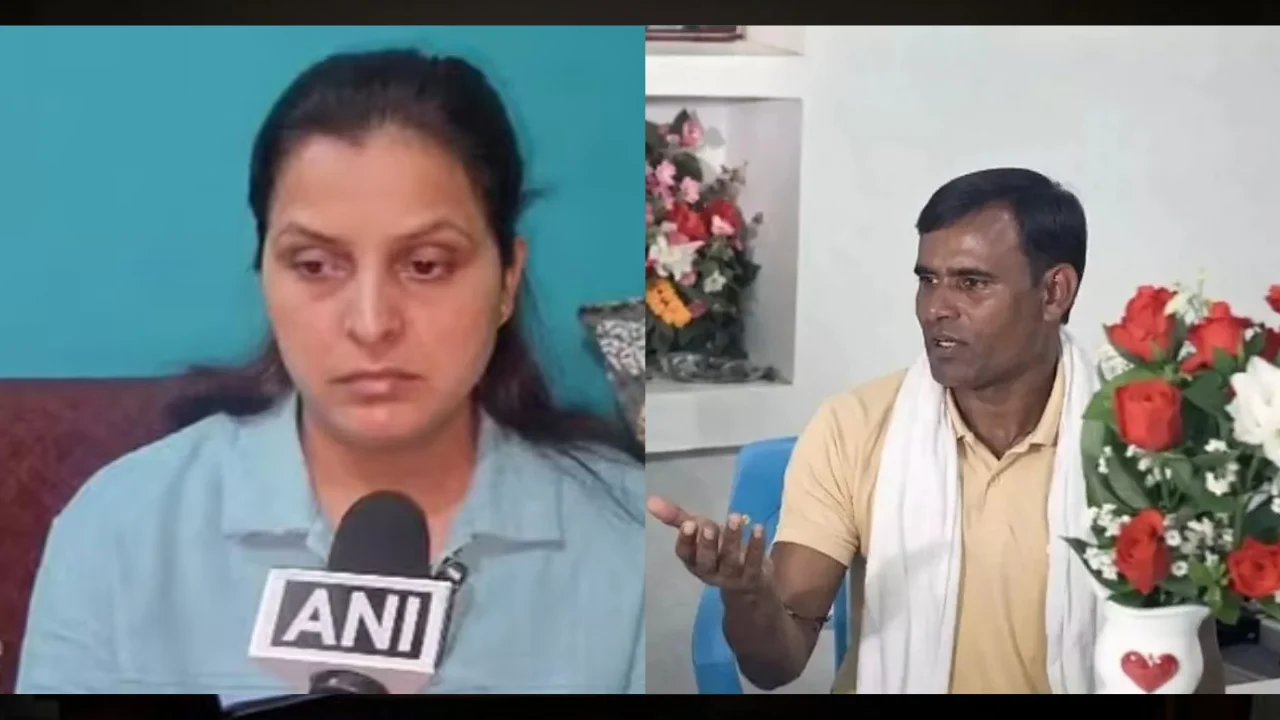
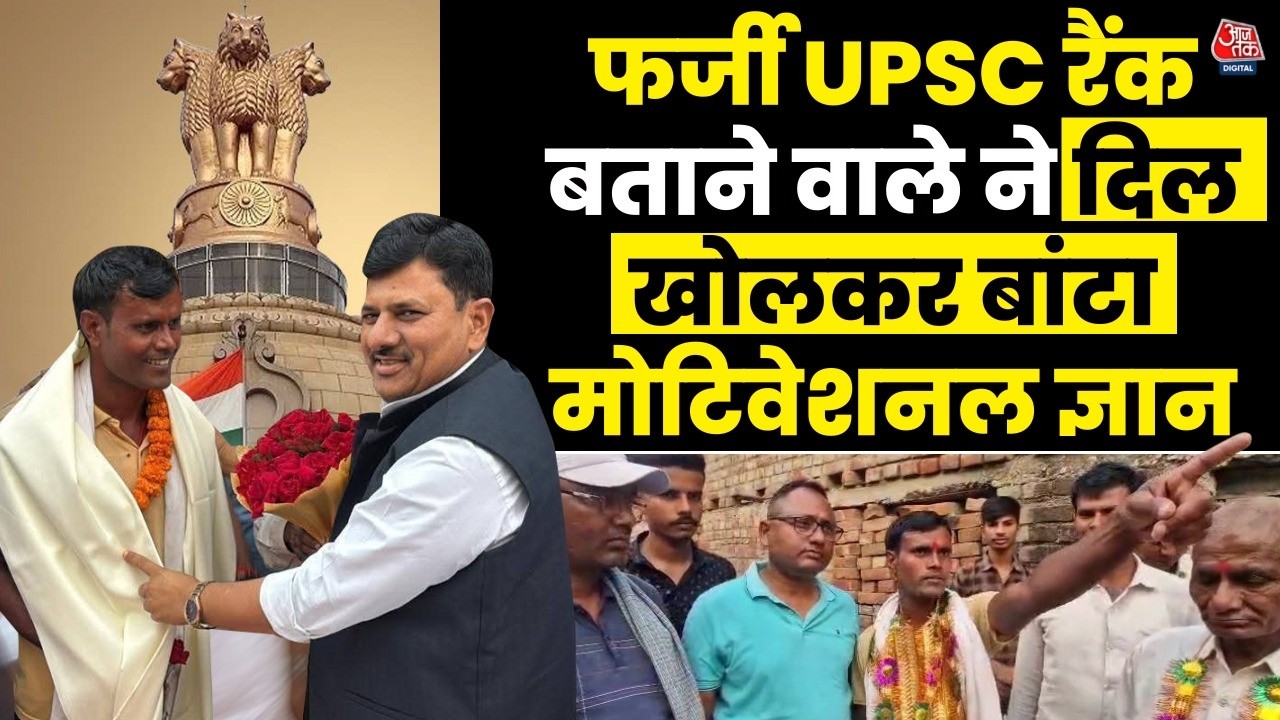
Of all the incidents, the case of Ranjeet Yadav from Fatehpur village in Sheikhpura district, Bihar, became the most talked-about. Yadav boldly announced he had secured the 440th rank in the Civil Services Examination.
The community response was immediate and overwhelming. Local residents showered him with flowers, politicians reached out, and former MLA Vijay Samrat reportedly presented him with gifts. A video went viral of Yadav delivering an emotionally charged speech about perseverance — claiming he had cracked the exam by studying just four hours a day.
The celebration ended abruptly when local media began cross-checking the result. The 440th rank belonged not to Ranjeet Yadav, but to Ranjith Kumar R — a resident of Chikkaballapur, Karnataka, with no connection to Bihar whatsoever. What had seemed like an inspiring grassroots story turned out to be built on a false foundation.
The Shikha Gautam Story — A Victory March That Was Never Deserved
While Yadav’s case appeared driven by reckless misrepresentation, the story of Shikha Gautam from Bulandshahr, Uttar Pradesh, carried a different quality — pure, hurried confusion.
When the results were published, Shikha opened the PDF and spotted her name. Without cross-checking her roll number, she concluded she had cleared the exam. Within hours, a celebration involving nearly 1,200 people took place — parents, grandparents, extended family, and local media, all framing it as the heartwarming tale of a peon’s daughter cracking one of the world’s toughest exams. Her brother told reporters she had secured the 113th rank in her second attempt.
The flaw was elementary: Shikha had only checked the name column, not the roll number. The Shikha who had genuinely cleared the exam was a different candidate entirely — from Rohtak, Haryana. Adding to the embarrassment, Shikha Gautam had not even qualified for the UPSC Mains examination, making her appearance in the final merit list a logical impossibility. She later issued a public apology to ANI, acknowledging she had never verified her roll number.
Aakansha Singh — When UPSC Had to Step In Officially
A third case emerged from Bhojpur district, Bihar, where Aakansha Singh claimed the 301st rank — again triggering instant community celebrations. This time, UPSC responded within 24 hours with an official press release, publicly naming the actual rank holder: Aakansha Singh of Ghazipur, Uttar Pradesh, a practising gynaecologist with roll number 0856794, daughter of Ranjit Singh and Neelam Singh, from Village Abhaipur.
The speed and specificity of UPSC’s intervention underscored just how disruptive the false claims had become — and how powerfully social media could amplify a misidentification before any verification occurred.
Why These Claims Spread So Fast
Understanding this phenomenon requires looking beyond individual mistakes. The Civil Services Examination carries enormous social weight in India. Clearing it is seen as a transformational moment not just for the candidate, but for their entire family and community. When someone announces success, the impulse to celebrate is immediate — verification feels secondary to the joy of the moment.
Social media and local television supercharged each incident. Videos went viral within hours. News channels ran stories without fact-checking. By the time corrections surfaced, the false narrative had already embedded itself deeply in public consciousness. The UPSC False Claims 2025 episode is a clear case study in how excitement, social pressure, and digital speed combine to spread misinformation at scale.
How to Verify Your UPSC Result — Before You Celebrate
These incidents share one root cause: nobody checked the roll number. Here’s a 60-second verification process every aspirant should follow:
- Open the official result PDF at upsc.gov.in — not a third-party site or WhatsApp forward.
- Search by roll number, not name. Use Ctrl+F with your exact roll number.
- Cross-check your name and category once the roll number is confirmed.
- Wait for the official merit list on the UPSC website before sharing with family or media.
One minute of verification could have prevented every incident described above.
The 958 candidates who genuinely cleared CSE 2025 represent years of structured preparation and quiet determination. Their achievement deserves to be the story. The false claims, when examined honestly, offer something equally useful — a reminder that in the pursuit of India’s most prestigious exam, patience and accuracy matter just as much as ambition.